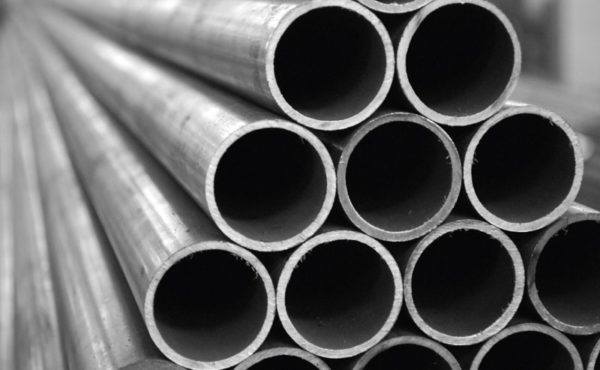
Plenty of buyers pick stainless for one reason, and it is rust. That habit can steer a design wrong when a part spends its life rubbing against a mating surface or taking impact. A 410 stainless steel tube answers a different question, since heat treatment turns it hard enough to hold its shape where softer grades wear down.
A Stainless Grade Built for Grinding Contact
Why Carbon Matters Here: What sets a 410 stainless steel tube apart is its carbon. Most stainless grades keep carbon low, but 410 carries enough to harden when quenched, the same way tool steels do. Chromium stays in the mix, so the part still resists mild corrosion. You gain a harder surface to work with.
Same Chromium Family, Different Strength: Chrome pipe performs well in refinery heaters and steam lines, where chromium and molybdenum hold strength at high temperature. Specs keep those grades at moderate hardness so they stay tough and weldable under pressure. 410 heads the other way. After a quench and temper, it hardens enough to handle sliding contact.
Hard Parts for Places Where Metal Meets Metal
Hardness That Stands Up to Abrasion: As a martensitic stainless steel, 410 can reach a hardness that austenitic grades like 304 never approach through heat treatment. Grit and scale take much longer to cut into it. Strength climbs too, which helps a shaft or stem carry torque without yielding. Toughness drops as hardness rises, so the balance matters.
Parts That Live with Friction: Open a steam turbine or a process valve and 410 turns up in the parts that take wear. Valve trim is a common use, since balls and seats rub together every time the valve cycles. Pump shafts and spray nozzles see similar wear, only from different directions. Here is where it fits.
- Steam turbine blades use 410 for strength and some resistance to wet steam erosion.
- Balls and seats get hardened, then ground smooth for a tight seal.
- Shafts gain torque capacity without extra diameter.
- Nozzles? Soft tips erode fast in gritty spray, and a hardened bore slows that down.
Match the Temper to the Trouble
Service Conditions Pick the Grade: Clean steam and hydrocarbon service suits 410 well, which is why it has long been a standard trim in carbon steel valves. Warm seawater is another matter. With less chromium than 316 and no molybdenum, the grade suffers pitting corrosion far sooner, so chloride-heavy service calls for something else entirely.
Temper and Finish Decide the Rest: Machine the tube while it is annealed, then harden and temper to match the load. Avoid the mid-range tempering temperatures, where toughness dips. A ground or polished finish resists corrosion better than a rough one. Welders who already handle chrome pipe will know the routine: preheat first, then a post-weld temper.
Valves That Seal and Shafts That Keep Turning
Put the wear mechanism and the process fluid on the drawing before anyone commits to a grade. With those details settled, you can harden and finish a 410 stainless steel tube to fit the part exactly. Send the size and specification to a stocking stainless supplier early and confirm availability before machining starts.
