General

Eating Well on Manayunk’s Main Street: A Neighborhood Dining Guide

Manayunk’s Main Street is a narrow strip of storefronts wedged between a historic canal and a steep hillside, and its restaurants reflect that geography. Former mill buildings hold bars and dining rooms, side streets climb sharply away from the commercial corridor, and the riverside setting shapes which places fill up on a Saturday night. Eating well here depends less on finding one standout than on matching the right kind of meal to the right evening.

Anyone searching for the best restaurants in manayunk philadelphia is usually trying to answer a practical question: where to go, what to order, and whether the trip is worth the effort. Rankings alone rarely answer that. Manayunk’s dining options vary widely in pace, noise, price, and seating, so a restaurant that suits a date may be wrong for a family dinner or a group of ten. This guide organizes the neighborhood by occasion and cuisine so that readers can narrow the list before they walk the strip.

Casual, counter-service-style concepts are a practical starting point for many visitors. One example is The Tomato Shack salad & pizza co, Manayunk, which sits among the neighborhood’s fast-casual options. Before committing to any single spot, check the current menu, hours, and ordering format on the restaurant’s own page, since menus and service models in this part of the city change more often than printed guides are updated.

Reading Manayunk’s Dining Scene Before You Pick a Table

Manayunk developed around textile and manufacturing mills powered by the Schuylkill River and the canal system that ran alongside it. Much of that industrial character survives in the architecture: brick commercial buildings, converted mill spaces, and streets that were laid out for foot traffic and horse-drawn freight rather than modern cars. The result is a dining district that feels compact and walkable but offers limited room to expand.

The hillside geography matters as much as the history. Cross streets rise steeply from Main Street, so a restaurant that appears close on a map may require a real climb from a parking spot. Visitors with mobility concerns, strollers, or heavy bags should factor that in when choosing where to park or how far to walk between stops.

Weekend demand is the other defining feature. Friday and Saturday evenings concentrate diners onto a single corridor, and popular tables can fill quickly. Weekday evenings and early weekend seatings tend to be calmer, with shorter waits and easier conversation. New visitors should expect a lively, sometimes crowded street on busy nights and plan accordingly rather than treating it as a quiet residential neighborhood with a few restaurants.

Matching a Restaurant to the Occasion

The right choice depends on what the meal needs to accomplish. The following breakdown groups Manayunk dining by common situations:

Date Night

  • Choose a restaurant with table-service, a defined dinner menu, and a dining room that does not require raising your voice.
  • Request a booking for weekend evenings, and ask whether the restaurant seats by reservation or by walk-in list.
  • Plan a short walk along the canal or the main drag before or after dinner to make the evening feel less rushed.

Relaxed Weeknight Meal

  • Prioritize places with quick service and a flexible menu, particularly if you are coming from work.
  • Weeknights often allow walk-ins without long waits, though staff availability varies by restaurant.

Brunch

  • Weekend brunch is busy across the neighborhood. Arrive early or confirm whether reservations are offered.
  • Verify weekend brunch hours directly, as they often differ from weekday hours.

Group Dinner

Group dining needs more planning than the other categories. Practical details to confirm before booking include:

  • Party size limits. Some dining rooms accommodate large parties only with advance notice, and others split groups across multiple tables.
  • Noise levels. Larger rooms with hard surfaces, such as converted industrial spaces, can become loud at full capacity. Ask for a quieter section when calling.
  • Seating flexibility. Confirm whether tables can be pushed together, whether a separate room is available, and whether a split check is possible.
  • Deposit and cancellation policies. Larger bookings often require a credit card or deposit.

Call ahead rather than relying on online booking tools for groups of six or more, since those tools frequently cap party sizes.

Quick Bite

For a fast meal before an event or a walk along the river, counter-service restaurants and casual pizza or salad concepts are the most efficient option. Ordering at the counter typically saves time, though it may mean carrying your own food and clearing your own table.

Cuisine Trails Worth Following

Grouping restaurants by cuisine helps readers find a specific style without scanning every listing on the strip.

Italian Dining: Neighborhood Versus Center City

Italian food is a common reason visitors look for dinner in Manayunk, and it is worth comparing the neighborhood with downtown options. Center City Italian restaurants, which include many of the city’s most widely discussed dining rooms, tend to offer larger wine lists, more formal service, and higher average checks. Portions and menus often reflect a focus on tasting-style courses or chef-driven seasonal dishes.

Manayunk’s Italian options generally lean toward a more relaxed atmosphere, family-style portions, and simpler pricing. Diners often find the trade-off favorable for a casual dinner: the meal is filling, the service pace is less formal, and the total bill is usually lower than a comparable Center City evening. For a special occasion requiring a formal setting or a detailed tasting menu, Center City may be the better choice.

Staying local offers several practical advantages. Parking is easier than downtown, and the walk from a restaurant to a bar or dessert spot is short. The neighborhood also rewards repeat visits, since menus change and the strip rarely feels rushed.

Other Cuisines

Manayunk’s range extends beyond a single dominant style. Readers should look for menus where a few dishes stand out rather than judging a restaurant by its length. A focused menu built around one or two house specialties often signals a kitchen with clear priorities. Check current menus online and ask staff about daily specials, which frequently reflect what the kitchen does best.

Planning the Visit: Reservations, Parking, and Getting Around

Reservations and Timing

Reserve early for Friday and Saturday evenings, and consider a 5:00 p.m. or 9:00 p.m. slot to avoid peak demand. Weekday dinners and weekend lunches usually offer more flexibility. For restaurants that do not take reservations, arrive before the main dinner rush or be prepared for a wait on the sidewalk.

Parking on Narrow Streets

Street parking in Manayunk is limited and often metered or time-restricted. Read posted signs carefully, since restrictions can change between weekdays and weekends. Hillside streets are narrow, and parking on steep grades requires turning wheels toward the curb. Allow extra time to find a spot, and consider parking a few blocks away if the closest options are full.

Walking the Main Drag

Main Street is the center of the district, and most restaurants can be reached on foot from one another. Sidewalks can be crowded on weekend evenings, so plan for slower movement near busy storefronts. The canal towpath offers a quieter alternative for a short walk between stops.

Transit and Rideshare

Manayunk is served by SEPTA’s Manayunk/Norristown Regional Rail line, with a station near the neighborhood. Rideshare drop-offs are easiest on side streets just off the main corridor, where traffic is lighter. Confirm the current pickup location in your app, since drivers may not be able to stop directly on the busiest blocks during peak hours.

A Sample Evening Route

A practical evening might begin with an early casual dinner at a counter-service spot, followed by a stroll along the canal, and end with a drink at a bar on Main Street. This route keeps the walking distance short, avoids the peak dinner wait for a formal dining room, and allows time for a second stop without rushing.

Looking Beyond Manayunk for Comparison

Manayunk is one of several Philadelphia neighborhoods with a distinct dining identity. Readers deciding where to eat often compare it with other areas, and the right choice depends on priorities rather than rankings.

Passyunk Avenue in South Philadelphia is a frequent point of comparison. The corridor has its own mix of restaurants and a different pace, and visitors interested in that scene should check current listings directly, as openings and closures are frequent. Center City offers the widest concentration of formal dining rooms and Italian restaurants, which makes it the stronger option for special-occasion meals, large corporate dinners, or dining with a tasting menu.

Manayunk tends to be the better choice when value, atmosphere, and convenience matter most. Its walkable main street, lower price points, and relaxed service suit casual dinners, neighborhood gatherings, and visitors who want to combine a meal with a riverside walk. A trip outside the neighborhood is worth it when a specific restaurant, cuisine, or formal setting is the main reason for the visit.

Readers sometimes ask whether Philadelphia holds Michelin stars or which restaurant ranks as the top in the country. Rankings like these depend on the publication, the year, and the criteria used. Before planning a trip around a specific accolade, check the current listings on the Michelin Guide’s official site and the publication’s own methodology. This guide does not verify those rankings, and readers should treat any single list as one input among several.



Why Bunion Pain in Houston Often Leads to Questions About Hammertoe Surgery

A bunion does not always stay a big toe problem. As the big toe joint drifts out of line, the toe leans toward its neighbors and crowds them. Some people notice the bump first and only spot the curled toe beside it months later. At that stage, bunion pain in Houston can turn into a big discussion regarding the second toe and hammertoe surgery in Houston. Knowing how the two conditions connect helps you act sooner and ask sharper questions at your next foot exam.

A 2010 review in the Journal of Foot and Ankle Research found bunions in about 23 percent of adults aged 18 to 65. That rate rose to nearly 36 percent after 65, and women had more than double the rate seen in men. So, if bunion pain in Houston shapes your daily routine, you are far from alone. Asking about hammertoe surgery in Houston is a fair question, not an overreaction.

How a Bunion Pushes the Second Toe Toward a Hammertoe

Here are why the two problems often show up together. With a bunion, the big toe shifts toward the smaller toes and crowds them, according to Mayo Clinic. Hospital for Special Surgery adds that this sideways lean can push the neighboring toe downward. Mayo Clinic lists hammertoe as a bunion complication that usually affects the toe right next to the big toe.

Early Signs a Bunion Is Affecting Your Other Toes

Has your second toe started to look different lately? Small changes often appear before a toe stay bent for good, so watch for:

  • Corns or calluses where the first and second toes rub together
  • A second toe that lifts, curls, or overlaps the big toe
  • A corn on top of the bent toe joint where it presses into your shoe

Why a Flexible Hammertoe Can Become Rigid

At first, a hammertoe is usually flexible, and simple measures can correct it, says the American Academy of Orthopedic Surgeons (AAOS). Without treatment, the toe can become fixed and may need hammertoe surgery in Houston. Harvard Health Publishing explains that the tendons on top tighten over time, so the toe stays bent even with your shoes off.

This part surprises many people, perhaps because the change is slow enough that you barely notice it until a corn forms on the joint.

Nonsurgical Bunion and Hammertoe Care Usually Comes First

Hospital for Special Surgery says hammertoe care usually starts without surgery, and the same first steps often help a bunion too:

  • Wider shoes with a deep, square or round toe box
  • Padding over the bunion or corn to cut down on rubbing
  • Orthotic shoe inserts that help control abnormal foot motion
  • Physical therapy and toe exercises to keep the tendons flexible
  • Anti-inflammatory medicine or a cortisone injection for painful flare-ups

The AAOS also says shoes have no real break-in period, so skip any pair that pinches in the store.

Next Steps Before Your Bunion and Hammertoe Exam

A little prep makes that visit more useful, so before you go, write down:

  • Which shoes hurt and which feel fine
  • When the second toe first started to change shape
  • What you have already tried, from inserts to pain relievers

Then ask whether your hammertoe is flexible or rigid, and whether the bunion will likely keep pushing on it. Those two answers will shape nearly every choice that follows, from a new pair of shoes to a surgical plan.

Choosing a Water Heater Electric System Starts with the Plumbing Service Your Home Actually Needs

Most homeowners think about hot water only when it runs out. The choice of a water heater electric system rarely comes down to the tank alone. Water pressure, fixture count, panel capacity, and the age of the supply lines all pull at that decision, and skipping any of them shows up later.

Hot Water Demand Writes the Spec Sheet

Sizing Built around Real Household Use: A four-person household running two showers back to back needs more recovery than a couple living in a smaller place. A water heater electric unit sized on square footage instead of actual draw leaves someone standing in cold water by the second rinse. Fixture count and peak-hour demand carry more weight than floor plans.

Water Quality and the Load It Adds: Phoenix water carries minerals that settle at the bottom of a tank and shorten its life. Water conditioning handles that problem upstream, cutting the scale that coats elements and forces longer heating cycles. Homes on hard supply lines see the difference within a few years, sometimes sooner, and the repair bill arrives without warning.

One Decision, Not Two Separate Ones

Where the Unit Choice Meets the Install Plan: Picking a tank first and figuring out the hookup later creates problems that cost more to undo. Thermal expansion inside a closed system needs somewhere to go, which means the expansion tank, the shutoff valve, and the relief line get planned alongside the unit itself. Not after it lands in the garage.

Panel Capacity Checked before Purchase: Older homes sometimes lack the breaker space or wire gauge a modern unit draws. A water heater electric upgrade can stall at the panel, and finding that out on installation day wastes a morning. An electrician checks the service rating first, then the plumbing side moves forward with something that will actually run.

What a Highly Trained Crew Handles on Install Day

Removal, Connections, and Leak Testing: Draining and hauling out an old tank is the easy part. Connections get checked for leaks, the circuit gets verified under load, and water pressure regulation keeps the new unit from taking a beating every time a valve slams shut. Everything gets tested twice before the crew packs up.

  • Household size and how many people shower inside the same hour
  • Fixture count, including a soaking tub or a second dishwasher
  • Panel capacity, and whether the breaker box has room left
  • Water hardness, which shortens tank life faster than most people expect
  • Clearance around the unit so service access is not a wrestling match later

Code Compliance Verified at Inspection: Permits and inspections exist for a reason, and a failed one surfaces when a house goes on the market. Drain pan placement, clearance around the unit, and the relief line termination all get written into code. Water conditioning equipment installed at the same time needs its own bypass and drain path, planned ahead of the rough-in.

Hot Water Nobody Has to Think About

A tank that fits the house does its work quietly for years, and nobody thinks about it again until replacement time comes around. That is the point. Book a sizing visit with a highly trained plumbing team before the current unit gives out, and let the install get planned properly the first time. Call 833-628-6440 to get started.

Before Comparing the Price of Monitors in Kenya, Decide What Your Screen Needs to Do

Most screen shopping starts backwards. Someone opens a tab, scans the monitor price in Kenya listings, and picks whatever sits highest on the spec sheet. The job that screen will handle every day rarely gets a mention before checkout. That order of thinking costs money, and it quietly costs comfort as well.

The Task Decides the Screen, Not the Spec Sheet

Naming the Job before Naming a Budget: Spreadsheets, CAD drawings, video timelines and gaming sessions all pull the screen in different directions. Anyone comparing monitor prices in Kenya gets far more from the exercise after writing down the two or three tasks that fill most of the working day. Priorities sort themselves out quickly once that list exists, and the rest follows.

Where the Tower and the Screen Meet: A display never works alone. The machine behind it sets the ceiling for image detail and frame output, which is why desktop computer price sits in the same conversation as the screen. Pairing a sharp panel with a weak system leaves half the purchase idle. Budget splits matter here, and splitting evenly is rarely correct.

Bigger Screens Do Not Always Fix Slower Work

Motion Work Needs Speed, Not Surface Area: Gaming and video editing both punish a slow panel. A higher refresh rate keeps fast movement clean, and that matters far more than adding another few inches of glass. Office documents barely register the difference. Paying for speed that spreadsheets will never use is money parked in the wrong place.

Sharpness Pays off in Some Rooms Only: Detail work on photographs, drawings and layered layouts rewards a denser panel. Shoppers checking monitor price in Kenya for a reception desk or a stock counter rarely need that extra pixel count. Smaller text on a large sharp screen can also strain eyes that were fine before the upgrade. Scaling settings help, up to a point.

Ports, Cables and the Quiet Cost of Mismatched Kit

Connections Decide What Actually Plugs In: Ports get checked last and cause the most trouble. The outputs on a graphics card decide whether a screen runs at its full setting or drops to something lower over an old cable. Laptops add another wrinkle, since one port may carry video, data and charging at once. Checking both ends first saves a return trip.

A Quick Check before Any Comparison Starts:

  • Write down the main task in plain words
  • Desk depth matters, because viewing distance sets sensible size
  • Ports on the computer, not only the ones listed on the screen
  • Glare. Room lighting ruins a good panel faster than anything else
  • Does colour have to be accurate, or only pleasant to look at
  • Hours spent in front of it each day

Balancing the Two Halves of the Setup: A sensible split between the screen and the tower keeps both useful. Anyone weighing desktop computer price against display options should look at which half limits the other. A fast machine behind a dull panel frustrates designers, and a bright panel fed by tired hardware stutters through anything demanding. One of them always sets the ceiling.

A Screen that Earns Its Place on the Desk

Pick the task first, then the size, then the panel type, then the ports, and only then compare what the shops are asking. That order keeps the decision honest. Browse the monitor range, match each option against the list above, and buy the screen that fits the work rather than the spec sheet.

When Wear Resistance Matters, 410 Stainless Steel Tube Has More to Offer than Corrosion Protection

Plenty of buyers pick stainless for one reason, and it is rust. That habit can steer a design wrong when a part spends its life rubbing against a mating surface or taking impact. A 410 stainless steel tube answers a different question, since heat treatment turns it hard enough to hold its shape where softer grades wear down.

A Stainless Grade Built for Grinding Contact

Why Carbon Matters Here: What sets a 410 stainless steel tube apart is its carbon. Most stainless grades keep carbon low, but 410 carries enough to harden when quenched, the same way tool steels do. Chromium stays in the mix, so the part still resists mild corrosion. You gain a harder surface to work with.

Same Chromium Family, Different Strength: Chrome pipe performs well in refinery heaters and steam lines, where chromium and molybdenum hold strength at high temperature. Specs keep those grades at moderate hardness so they stay tough and weldable under pressure. 410 heads the other way. After a quench and temper, it hardens enough to handle sliding contact.

Hard Parts for Places Where Metal Meets Metal

Hardness That Stands Up to Abrasion: As a martensitic stainless steel, 410 can reach a hardness that austenitic grades like 304 never approach through heat treatment. Grit and scale take much longer to cut into it. Strength climbs too, which helps a shaft or stem carry torque without yielding. Toughness drops as hardness rises, so the balance matters.

Parts That Live with Friction: Open a steam turbine or a process valve and 410 turns up in the parts that take wear. Valve trim is a common use, since balls and seats rub together every time the valve cycles. Pump shafts and spray nozzles see similar wear, only from different directions. Here is where it fits.

  • Steam turbine blades use 410 for strength and some resistance to wet steam erosion.
  • Balls and seats get hardened, then ground smooth for a tight seal.
  • Shafts gain torque capacity without extra diameter.
  • Nozzles? Soft tips erode fast in gritty spray, and a hardened bore slows that down.

Match the Temper to the Trouble

Service Conditions Pick the Grade: Clean steam and hydrocarbon service suits 410 well, which is why it has long been a standard trim in carbon steel valves. Warm seawater is another matter. With less chromium than 316 and no molybdenum, the grade suffers pitting corrosion far sooner, so chloride-heavy service calls for something else entirely.

Temper and Finish Decide the Rest: Machine the tube while it is annealed, then harden and temper to match the load. Avoid the mid-range tempering temperatures, where toughness dips. A ground or polished finish resists corrosion better than a rough one. Welders who already handle chrome pipe will know the routine: preheat first, then a post-weld temper.

Valves That Seal and Shafts That Keep Turning

Put the wear mechanism and the process fluid on the drawing before anyone commits to a grade. With those details settled, you can harden and finish a 410 stainless steel tube to fit the part exactly. Send the size and specification to a stocking stainless supplier early and confirm availability before machining starts.

What a Restricted Access Outfitter Means for Your Quebec Fishing Lodge Trip

You can spend all winter planning a Quebec fishing lodge trip and still lose the week to problems you could not see from home. Perhaps the bay you circled on the map already has two other boats in it at sunrise. Maybe a busy ice fishing season thinned out the walleye months before you arrived. Picking a restricted access outfitter removes most of those risks before you ever load the truck.

So what does that label actually change for you? Lake Ogascanan Lodge & Outposts operates as a restricted access outfitter, which means the lake sits inside a restricted zone rather than free territory.

The only way in is about 60 miles (100 km) of forestry road, and the nearest store sits two hours away. That distance helps keep this Quebec fishing lodge quiet, and quiet water usually fishes better.

Why Restricted Water Means Better Quebec Fishing

Here is why fewer anglers on a lake usually lead to more bites for you.

  • The Mullens family runs the only lodge on Ogascanan and owns the only land along its shores.
  • The area has no towns, no residents and very little road traffic.
  • The season lasts just 16 weeks, and nobody fishes the lake for the rest of the year, ice fishing included.
  • With no other camps on the water, every bay and shoal stays open to your group.

When was the last time you fished a lake where every boat on the water came from the same camp?

The Ogascanan Walleye Slot Limit Is Law, Not a Camp Rule

Still, distance alone would not keep a fishery healthy for decades. In 2010, the Mullens family pushed for a legally binding slot limit on the lake’s walleye. Every walleye under 14.5 inches (37 cm) or over 21 inches (53 cm) now goes back into the water. The big spawners keep breeding, and the young fish get at least one chance to spawn too.

That might sound strict, and in some ways it is. Because it carries legal weight, nobody gets to bend it on a slow afternoon. Even so, it seems most people like the trade, since more than 8 in 10 guests each year have stayed at the lodge before. One group in the lodge’s photos has fished Ogascanan for over 30 years.

Walleye, Pike and Lake Trout in a Naturally Reproducing Quebec Lake

Quiet water helps, but it will not find the fish for you. Lake Ogascanan stretches about 14 miles (just over 22 km), with bays, arms and fingers that could take years to learn alone. Fittingly, the name Ogascanan translates to “fish hatchery,” and its walleye, northern pike and lake trout all reproduce naturally.

The Mullens family opened its first season here in 1989, and its outfitting work began back in 1964. Your week starts with marked maps, proven techniques and exact locations, then daily coaching at the dock. Plenty of fish on the lodge’s website came from first-time guests, which suggests the coaching does its job.

Next Steps for Planning a Remote Quebec Fishing Trip

Next steps are fairly simple. Start with the Fresh Fish page to see this year’s catches, then look through the photo galleries from past seasons. After that, pick between Main Camp and a boat ride to one of the outposts, since the lodge spreads 10 cabins across 6 locations. If you plan to bring the family, kids stay free on all family trips.

Visit https://ogascanan.com/contact-us/ to ask about open dates for next season.

Need a Reliable Shallow-Well Setup? A Gould Shallow Well Pump Gives You a Practical Starting Point

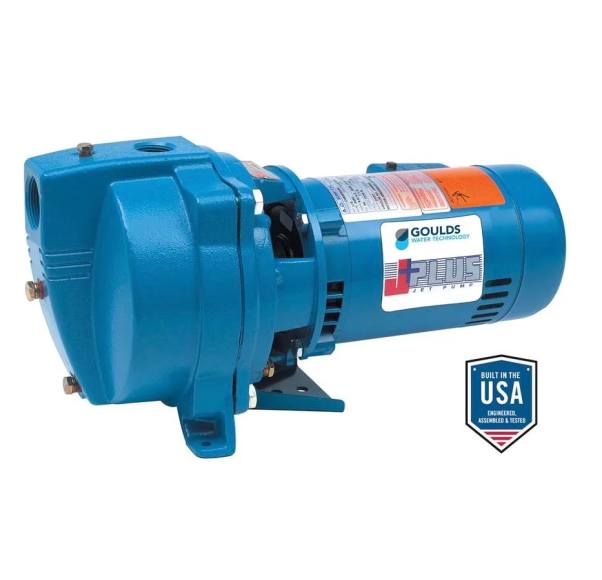
Plenty of rural homes in Northern Ontario draw from a dug well or a sand point. When the water sits close to the surface, a Gould shallow well pump can lift it and send it to every tap. Pick a pump that ignores how your well behaves, though, and the first busy morning shows it.

Jet Pumps Pull Water Up before They Push It Out

Suction Built into the Pump: The pump sits above ground, in a basement or pump house. An impeller forces water through a narrow nozzle, which creates suction and draws water up a single pipe. A Gould shallow well pump keeps the jet inside its housing, so a technician can service it without pulling anything out of the well.

Pressure Switch or Steady Flow: A standard setup uses a pressure tank and a switch that starts the pump at a low point and stops it at a high one. You feel that swing in the shower. Constant pressure systems add a controller that changes motor speed to match demand, so pressure stays level with several taps open.

Your Well Sets the Limits before the Pump Does

Recovery Rate Comes First: A shallow well can only supply water as fast as the ground refills it. Draw harder than that, and the pump starts pulling air, then loses prime. Most wells built under Ontario well regulations come with a well record listing a recommended pumping rate. Dig that record out before you buy anything.

Water Quality near the Surface: Shallow water sits closer to septic beds and fertilised fields. Nitrates from those sources don’t show up in taste or colour, and high levels in water used for infant formula can cause blue baby syndrome. A new pump won’t fix that. A lab test tells you whether treatment belongs in the plan too.

Right-Sized Pumps Keep the Morning Rush Moving

Sizing for Real Household Demand: Horsepower alone says little. What matters is how much water the pump delivers at the pressure your house runs on, and how many taps run together at peak times. If your fixtures show hard water deposits, plan some margin on top, because scale slowly narrows the jet nozzle and trims output over time.

Too Much Pump for the Tank: An oversized pump fills a small pressure tank and shuts off, then restarts moments later. That short cycling heats the motor and wears the switch contacts. Constant pressure systems avoid most of it, running the motor as fast as your taps need and no faster. A soft start helps the pump last longer.

What a Supplier Should Check:

  • Depth to water, measured, not guessed.
  • How many bathrooms share the supply?
  • A well recorded or recent lab test.
  • Long suction runs from well to pump cut lift.
  • Any plans for an extra suite later.

Strong Showers and a Pump That Stays Primed

Bring your well record and a rough count of fixtures to a local pump supplier, and ask for a site visit before you order anything. A Gould shallow well pump chosen around your well’s real numbers can run quietly for years. Picture fewer mornings spent in the basement re-priming a pump with a jug of water.

What to Do When You Need an Emergency Plumber in the UK

A burst pipe can turn a minor household fault into serious water damage within minutes. Knowing what to isolate, whom to call and what information to provide can reduce risks to people, electrics, floors and furnishings.

When searching for 247 emergency plumbers uk, focus first on the nature and location of the fault rather than choosing solely on a headline response time. A genuine emergency plumber should explain availability, likely charges and immediate safety measures before attendance.

This guide covers urgent plumbing failures across England, Scotland, Wales and Northern Ireland, including overnight, weekend and bank-holiday call-outs. Availability varies by postcode, so confirm coverage before authorising work.

Is the Plumbing Problem an Emergency?

Immediate assistance is generally appropriate when a fault threatens property, health or essential services. Typical examples include:

  • A burst pipe or uncontrolled leak that cannot be stopped.
  • Sewage entering a property, overflowing toilets or contaminated wastewater backing up through drains.
  • Flooding close to sockets, consumer units, boilers or other electrical equipment.
  • A failed stopcock, tank, pump or valve that prevents essential water supplies from being controlled.
  • A major leak from a hot-water cylinder, boiler circuit or central-heating pipework.

A dripping tap, slow basin, noisy radiator valve or isolated toilet cistern usually requires a routine appointment, provided there is no flooding or loss of essential facilities. A blocked drain may be urgent if several fixtures are affected, wastewater is rising or an external manhole is overflowing.

If safe, close the internal stopcock, commonly located beneath a kitchen sink, near the water meter or where the service pipe enters the property. In flats, the isolation valve may be in a communal cupboard. Do not force a seized valve; a plumber may need to isolate the supply elsewhere.

Never touch electrical appliances, switches or sockets while standing in water. Keep children and pets away from sewage or greywater, avoid skin contact and ventilate the area only if doing so is safe. If water is near electrics, leave the area and contact the electricity network or emergency services as appropriate.

A suspected gas leak or carbon-monoxide incident is not simply a plumbing call-out. Turn off the gas at the emergency control valve only if it is safe, avoid flames and electrical switches, leave the property and call the National Gas Emergency Service on 0800 111 999 in Great Britain. In Northern Ireland, contact the relevant regional gas emergency number. For immediate danger, call 999.

24/7 Emergency Plumbing Services Across the UK

“24/7” can mean a local engineer on standby, an answering service that allocates jobs, or a network covering selected postcode districts. Ask where the attending engineer is based, whether the quoted service area includes your postcode and whether an out-of-hours call is handled directly.

Common emergency work includes:

  • Burst pipes, leaking appliances and major water leaks.
  • Blocked toilets, sinks, soil stacks and internal drains.
  • Sewage backups, overflowing manholes and foul-water drainage problems.
  • Faulty stopcocks, float valves, pumps, tanks and pressure-reducing valves.
  • Boiler, hot-water and central-heating plumbing faults.
  • Temporary repairs after frost, storms, accidental damage or failed fittings.

A plumber may diagnose a leak with pressure testing, moisture meters, thermal imaging or visual inspection. Drainage specialists may use inspection cameras, jetting equipment or mechanical augers. Excavation, shared drains and damaged underground services may require a separate contractor or utility provider.

Response times depend on severity, traffic, weather, engineer availability, parking and access. Rural areas, island communities and dense urban areas can each create different delays. Freezing weather can generate simultaneous burst-pipe calls, while heavy rain may overwhelm local drainage networks. No responsible provider should guarantee an arrival time without checking the postcode and current workload.

What Happens During an Emergency Call-Out?

During the first call, provide:

  • Your postcode, address and property type.
  • The exact symptoms, such as a ceiling leak, overflowing toilet or loss of pressure.
  • Whether the water supply has been isolated.
  • Whether standing water is near electrics or heating equipment.
  • Access instructions, parking restrictions, entry codes and the presence of tenants, children or vulnerable occupants.

A sensible response normally follows this sequence:

  1. Triage: The call handler assesses danger, contamination, access and whether another emergency service is required.
  2. Allocation: An engineer is assigned and an estimated arrival window is given, subject to availability.
  3. Diagnosis: The plumber identifies the failed component and traces the source rather than repairing only the visible symptom.
  4. Isolation and making safe: Water, heating or a damaged section of pipework is isolated to prevent further loss.
  5. Repair: The engineer either completes the repair with suitable parts or installs a temporary solution pending specialist work.
  6. Testing and records: Pipework is repressurised, fixtures are tested and the customer receives an invoice or written record.

Making-safe work may involve a temporary compression fitting, capped pipe, isolation valve or drain-down. This can be the safest overnight option when a replacement cylinder, bespoke part, access panel or excavation is needed.

Landlords and tenants should check responsibility under the tenancy agreement and notify the landlord or managing agent promptly. In a block of flats, a leak may involve communal risers, another dwelling or a facilities manager. Photograph damage before clean-up where possible and notify insurers if the policy requires it.

Emergency Plumber Costs, Call-Out Fees and Payment

There is no single UK emergency rate. As a broad consumer benchmark, daytime plumbing labour may fall around £50–£100 per hour, while evenings, weekends and bank holidays can rise to roughly £80–£150 or more. London and other high-cost areas may exceed these figures; specialist drainage or heating work can cost more.

A final bill may combine:

  • A call-out or diagnosis fee.
  • Labour charged hourly, in blocks or at a fixed price.
  • Parts such as valves, traps, flexible connectors, pumps or pipe fittings.
  • Travel, congestion charges, parking or extended-distance attendance.
  • Specialist equipment, jetting, camera inspection, access work or excavation.
  • VAT, where applicable.

Before attendance, ask whether the quoted figure includes VAT, a minimum charge, diagnosis, travel, materials and follow-up visits. Request the company’s legal identity, payment methods and cancellation terms. For additional non-urgent work, obtain a written estimate and approve it before work starts.

A temporary repair may cost less initially but leave a separate quotation for permanent replacement. For example, isolating a failed hot-water component may restore safety while a later visit is arranged for cylinder, pump or control replacement. The engineer should explain the limitation and expected next step.

Choosing a Reliable 24-Hour Plumber

Check that the provider has a verifiable business identity, clear service area, public liability insurance and relevant experience. Reviews are useful, but assess patterns across independent platforms rather than relying on testimonials published only on the provider’s own website.

A reliable out-of-hours service should:

  • Answer calls or provide a genuine escalation route overnight.
  • Explain the attendance charge and pricing basis clearly.
  • Confirm whether it handles plumbing, drainage, heating or commercial systems relevant to the fault.
  • Provide an engineer’s name or company identification before entry.
  • Offer an invoice describing labour, parts and work completed.

Be cautious about vague “from” prices, pressure to replace equipment immediately, demands for unexplained cash payments and businesses that will not disclose their legal identity. Ask for evidence of insurance if extensive work is proposed.

Gas appliance work, including work on a gas boiler, must be carried out by an engineer registered with Gas Safe. Gas registration does not automatically verify every plumbing or drainage capability, so check the contractor’s broader qualifications and insurance separately. Plumbing credentials differ across the UK and are not equivalent to a universal statutory plumber licence.

Emergency Plumbing FAQs for UK Homeowners

What is classed as a plumbing emergency?

A burst pipe, uncontrollable leak, sewage backflow, flooding near electrics or loss of essential water control is normally urgent. A minor drip or slow drain can usually wait if it is contained and causing no health or property risk.

How much should I pay for an emergency plumber?

Expect a premium for night, weekend and bank-holiday attendance. Ask for the call-out, labour basis, VAT position, travel, minimum charge and parts policy before agreeing. A complex drainage or heating fault may cost considerably more than a simple valve replacement.

How much do UK plumbers charge per hour?

Routine daytime labour is often approximately £50–£100 per hour, with emergency rates commonly around £80–£150 or more. Regional costs, specialism, parking and the engineer’s pricing model affect the figure.

How much would a plumber charge for three hours of work?

Three hours could mean roughly £150–£450 in labour using those broad benchmarks, before a call-out fee, parts, VAT, travel or specialist equipment. A fixed-price emergency repair may not follow an hourly calculation, so confirm the structure in writing.

What should I do before the plumber arrives?

Isolate the water if safe, keep away from contaminated water, avoid electrics near flooding, protect belongings, photograph damage and clear access to the stopcock and affected area. Keep children and pets away, notify the landlord or insurer where relevant, and have the engineer’s contact details available.

The Two-Layer Rule: Why Egyptian Cotton Sheets and a Luxury Down Comforter Belong Together

Most people buy bedding one piece at a time, and that habit can quietly cost them good sleep. A luxury down comforter bought on its own may feel stuffy over cheap sheets, and fine Egyptian cotton sheets can lose their appeal under a thin, lumpy cover. The two layers act as one system, so a problem with either shows up at 3 a.m., when you wake up damp and restless.

Here is why the pairing matters. Egyptian cotton sheets sit against your skin and handle moisture, while a luxury down comforter traps still air above you and holds warmth. When both layers do their jobs, your body settles into a steady temperature for most of the night. That may sound minor, but anyone who wakes up twice a night would likely disagree.

What Egyptian Cotton Sheets Do Against Your Skin

Egyptian cotton comes from extra-long staple fibers, and longer fibers spin into finer, stronger yarns with fewer loose ends, which usually means a smoother feel and better durability through repeated washing. 

Before you buy, check three things:

  • Read the label and look for 100% Egyptian cotton rather than a blend.
  • Pick a weave that suits you, since percale feels crisp and cool while sateen feels silkier and a little warmer.
  • Measure your mattress, because thick mattresses need deep-pocket Egyptian cotton sheets to keep the corners from popping loose.

How a Luxury Down Comforter Traps Warmth Without Weight

Fill power measures down loft in cubic inches per ounce, and a higher number means more loft. Larger clusters trap more air, and trapped air is what keeps you warm. 

Still, the fill power alone won’t tell you how warm a comforter feels. Warmth also depends on how much down sits inside the product. So read the fill weight right next to it. 

A few details separate a good comforter from a disappointing one:

  • Down rated at roughly 700 fill power or above gives light, lofty warmth.
  • Baffle box stitching keeps the down from drifting into corners and leaving cold spots.
  • A higher thread count in the shell fabric generally makes it more down-proof, so fewer feathers escape. 

Why Egyptian Cotton Sheets and a Luxury Down Comforter Work Better Together

Picture a warm sleeper who buys a heavy down comforter and pairs it with synthetic sheets. The comforter holds heat, the sheets hold sweat, and the bed starts to feel clammy by midnight. Swap in cotton, and that moisture finally has somewhere to go.

It works the other way too. Great sheets under a flat, poorly filled blanket will leave a cold sleeper shivering, no matter how soft the cotton feels. Oddly enough, the fix for many hot sleepers is not a thinner comforter at all. It is often a more breathable layer underneath.

Caring for Egyptian Cotton Sheets and Your Luxury Down Comforter

The next steps are simple. Wash your sheets on a gentle cycle and follow the care label. Keep the comforter in a duvet cover so you need to wash it far less often, and give it a shake each morning.

New down comforters arrive tightly packed, so take them out of the packaging, fluff them gently, and give them several hours to recover their loft. Judge it after that, not straight out of the box. 

Good bedding should feel as good in year five as it did on night one. Which layer on your bed might be holding the other one back?

Where Cremated Remains Can Go, and What the Law Says about It

An urn sits on a bookshelf for a year in plenty of homes. The scattering keeps getting pushed back, sometimes because of grief, sometimes because no one in the family is sure whether the scattering is even allowed. Specific rules govern this procedure. Most turn out to be simpler than people assume, though they change depending on the ground or the water involved.

Coastal Plans and Cremation in Tampa

Families arranging cremation in Tampa often picture the Gulf. Florida places no ban on scattering across private property when the owner agrees, and no state permit covers that situation. Water is where the answer narrows, and the rule there comes from a federal agency rather than from Tallahassee. That catches people off guard, since the beach feels like a local matter.

What Funeral Services in Las Vegas Usually Stop Short Of

A package of funeral services in Las Vegas tends to end the moment the remains are handed back to the family. Everything after that sits with relatives. Nevada holds an enormous amount of federal land, and each managing agency sets its own conditions, so the real question is not what the state allows but who administers the acre in question.

Ocean Scattering under the Burial at Sea Permit

Scattering ashes offshore is subject to a general permit issued under the Marine Protection, Research and Sanctuaries Act. Remains must enter the water at least three nautical miles from land. Nothing needs to be filed beforehand, which surprises families who expect paperwork first. Reporting comes afterward, within 30 days of the ceremony. Any flowers or urns released with the ashes must break down in seawater, so plastic and metal remain on the boat.

Park Land and the Superintendent’s compendium

On National Park Service property, federal rule 36 CFR 2.62 bars scattering unless a permit exists or the park has set aside areas for it. Each site publishes local terms in a document called the superintendent’s compendium. Lake Mead National Recreation Area allows scattering without a permit, provided it occurs at least 100 yards from roads, trails, developed facilities, and water. Scattering into the lake itself is prohibited outright. Bureau of Land Management ground, including Red Rock Canyon, treats scattering as casual use and asks for no permit at all.

Sorting the Details before the Day Arrives

A short conversation ahead of time saves a lot of back-and-forth later. Worth settling:

  • Who keeps the remains until the family gathers
  • Whether the chosen site needs a permit, and how long approval takes
  • Whether the container breaks down, if water is part of the plan
  • Whether anyone close to the person objects to the location

Families who choose whole-body donation face the same set of questions, just on a longer clock, since cremated remains come back weeks or months later. Either way, naming the destination early takes one hard decision off the list.

How a Burn Injury Lawyer Houston Can Help You Pursue Compensation

Burn injuries can be some of the most painful injuries that one can endure. They may happen during workplace accidents, car accidents, defective products, fire incidents, chemical exposure, and property issues. In addition to their severity, some burn injuries might need immediate attention, surgeries, physical therapy, and prolonged treatment.

If you have been involved in an accident where a burn injury was sustained as a result of someone else’s negligence, then it is critical to know your rights. An expereinced burn accident attorney can discuss your situation and determine the best course of action for you.

Common Situations That Can Lead to Burn Injuries

There are several possible ways for a burn injury to take place. Thermal burns may be caused by fire, boiling water or steam, or heated surfaces. Chemical burns may be caused by coming into contact with dangerous chemicals, and electrical burns may be caused by problems with wiring or equipment.

Sometimes, the burn injury may be caused by a defective product or dangerous premises. Determining the cause of the injury will be helpful in deciding whether anyone else can be held liable.

The Physical and Financial Effects of Severe Burns

The effects of a burn are not limited to just the burn itself. The victim will require hospitalization, skin grafts, reconstructive surgery, physical therapy, and other kinds of medical follow-up. More severe cases can cause scarring or limitations on mobility and the ability to perform regular activities.

Besides the actual medical costs, there is also the financial cost of lost income due to being unable to work while recuperating or having lower future earning capacity as a result of the injuries sustained. Other costs could include rehabilitation and prescribed medications. A personal injury attorney like those at Baumgartner Law Firm in Houston can help identify these various types of losses.

Investigating How the Accident Happened

Evidence can be crucial in burn accidents since the causes of the accident may not always be evident from the very beginning. Evidence like photos of the accident scene and injuries, medical records, witness accounts, incident reports, maintenance logs, and product information may provide information about the incident. The lawyer could investigate the situation and determine whether the case resulted from negligence, unsafe premises, insufficient safety precautions, or a defective product.

Dealing With Insurance and Liability Issues

Depending on the location and circumstances of the burning, insurance companies could come into play. It can be hard to determine liability because more than one party may be linked to the accident. For instance, a workplace burn could be linked to the employer, a contractor or an equipment manufacturer, among others.

The burn injury lawyer Houston will help you know how liability may relate to your case and negotiate with the other parties as necessary. Legal assistance can be key in evaluating settlement offers made to you.

When Professional Legal Guidance Can Help

Not every burn injury will result in a lawsuit. Nonetheless, having a consultation with a lawyer may be worthwhile in cases where the injury sustained is very serious, another person might be at fault, extensive treatment is required, or there is a liability dispute.

Houston personal injury lawyers will examine the evidence that can be presented and help you comprehend the possible legal proceeding as well as the kind of compensation that can be recovered under the law.

Protecting Your Rights After a Burn Injury

After you have been burned, you must seek medical attention right away. Make sure you document everything about your medical attention, expenses, and recovery time. Pictures may be helpful in demonstrating the situation at hand.

In situations where your burns occur because of negligence on the part of another individual, seeking the advice of a legal professional will aid you in determining how to proceed. You can find a Houston personal injury attorney to guide you through the case.

Why High-Performance Memory Foam is Worth the Money

The Demand for New Foam Technology

Today’s manufacturers should work to enhance their product comfort and durability. It helps improve the customer experience. The foam quality used in any product greatly impacts product performance. So, manufacturers are more mindful of the materials they choose during production.

The memory foam sheet price is one of the first things procurement teams look at. While the price is an important consideration, it shouldn’t be the only one. The value of memory foam also comes from its resiliency, durability, and pressure-relieving properties. Choosing a lower-cost, but lower-quality material may be an attractive option at the onset, but the product may fall short of its intended use and frustrate the customer.

What memory foam is especially known for is its unique ability to absorb the pressure and heat of the body. Its pressure-absorbing qualities also give it the ability to conform to the user and, after the pressure is relieved, return to its original shape.

Where Memory Foam is Used

  • Mattresses and bedding products
  • Office and ergonomic seating
  • Automotive interiors
  • Medical and orthopedic cushions
  • Hospitality furniture
  • Specialized packaging solutions

The International Sleep Products Association (ISPA) indicates mattress manufacturers are investing more in comfort technology to improve sleep quality.

Factors Affecting Foam Performance

When manufacturers assess memory foam materials, price is a secondary concern. One of many considerations is how well the foam performs in real-world situations.

The density of memory foam is the most important predictor of performance. High-density foam is not only more durable, but can better distribute weight and apply pressure as needed across the body’s surface. Foam with a higher density also supports better airflow and has favorable recovery and compression resistance characteristics.

Key Factors For Evaluation

  • Density of foam
  • Pressure-relief capability
  • Compression recovery
  • Durability
  • Surface consistency
  • Manufacturing quality

These traits provide a framework for manufacturers to develop products that are comfortable and perform well over time. Comfort-led products are increasingly popular with consumers. The National Center for Biotechnology Information (“NCBI”) has noted that health is related to the quality of sleep. Thus, products designed to create a better sleep environment and increase comfort are in higher demand.

Why Memory Foam Suppliers Matter

Selecting the appropriate materials is only part of the equation. Memory foam suppliers matter too. A supplier’s standards will directly impact your bottom line and product quality and consistency.

A supplier’s reliability will help your product’s success because they maintain quality control. A supplier’s quality control will help with consistency of foam density, firmness, resiliency, and dimensional accuracy.

Choosing a Foam Supplier

  • High-quality foam
  • Cutting edge foam manufacturing
  • Foam with a high degree of customization
  • Excellent foam delivery
  • Foam with consultative support
  • Excellent foam quality assurance

Expert memory foam suppliers offer foam that is versatile in grade, density, and specifications. This allows them to optimize a manufacturer’s goals for their specific product. This versatility can improve the performance of a product and help a supplier maintain efficiency in the manufacturing process.

Suppliers provide innovative foam products that meet the evolving needs of the market. Foam manufacturing R&D is focused on the increasing need for durable and sustainable foam products that also enhance the comfort of the end user.

Conclusion

Today’s foam manufacturing focuses on producing a quality product that strikes the right balance of durability and comfort with consistency. The right materials with a commitment to quality and reliability in the manufacturing process can help a manufacturer meet the evolving needs of their customers.

Labour Lawyer Toronto: Understanding Your Rights in the Workplace

Labour law is an integral part of creating healthy employer and employee relations. In any area of labour relations where conflict arises, whether collective bargaining, disciplinary action, grievance arbitration, or contract interpretation, it is always important to know one’s rights.

The advice of a labour lawyer Toronto can greatly assist in solving complicated labour issues and help you make sound workplace decisions according to the law.

Common Labour Law Issues in Toronto Workplaces

Labour law mainly regulates union workplaces, involving issues between employers, workers, and labour unions. Disputes may arise regarding collective agreements, disciplinary actions, layoffs, workplace policies, or the parties’ duty to bargain. Though they can seem minor at first, they can harm the employees mentally.

Legal knowledge of provincial labour laws and legal precedents is needed to resolve these issues. It is the task of a Toronto labour lawyer to analyze the case, inform the clients about their legal choices, and assist them in any negotiations or dispute resolution proceedings.

How a Labour Lawyer Can Assist During Workplace Disputes

Workplace conflicts frequently involve complex legal processes that require careful preparation and tactical planning. Legal counsel from a Toronto labour lawyer may play a role throughout a labour issue, from providing advice to participating in proceedings before labour tribunals and arbitrations.

A labour lawyer Toronto may be able to assist in:

  • Grievances and arbitrations
  • Collective bargaining
  • Union certification or decertification
  • Workplace investigation
  • Discipline or termination of employment for wrongful reasons in a unionized workplace
  • Construction and interpretation of collective agreements

Each case of workplace dispute is different. Getting legal advice specific to your situation could allow you to fulfill your obligations while achieving legally sound solutions.

Choosing a Labour Lawyer in Toronto

Finding a lawyer is an important decision not only for the employer but also for the employee. Understanding labour law and Ontario law, as well as good advocacy skills, may become very important when selecting a lawyer.

If you need a Toronto labour lawyer, keep in mind such things as his or her experience in solving similar issues, communication style, and the capacity to explain legal stuff clearly. An experienced lawyer pays attention to researching the particular case and implementing appropriate tactics that satisfy the client and meet labour law requirements.

The sooner one consults a Toronto labour lawyer, the better the results can be.

Conclusion

Labour disputes may bring about many professional and monetary ramifications for all parties involved. No matter whether you have a problem with collective bargaining, grievances, discipline in the workplace, or something else related to unions, it is important to be aware of your legal standing in the matter. You should consider speaking with an experienced labour lawyer in Toronto who will make sure that you understand all the nuances of the situation and can make sensible decisions at any stage of the process.

Sacred Marble Craftsmanship for Modern and Traditional Spaces

Temples are more than a place to worship. They embody faith and culture and incorporate artistry that spans generations. A home, community, or large spiritual complex can benefit from a well-designed temple made of marble. Marble evokes a serene and worshipful atmosphere. Every carved piece of a temple, be it a pillar, dome, or idol, helps to create an environment where worship can take place without distraction.

A thoughtful Krishna Mandir design consists of both traditional style and advanced artistic skill. Marble, as a material, has an unmatched ability to hold the many characteristics of a design and preserve them for many years to come. It’s also an elegant and durable choice.

Temple designs today can be as flexible and creative as the available space and design can accommodate. Whether a large complex or a small room dedicated to prayer is desired, talented artisans are able to find the balance of modern design and traditional styles.

Essential Elements of an Exquisite Marble Temple

  • High-quality natural marble
  • Indian architectural styles that are traditional
  • Intricate carvings with motifs of spirituality and flora
  • Excellent ability to withstand various stresses
  • Custom sizes and flexibility for a variety of spaces

India’s beautiful and extensive temple heritage draws many visitors to visit from far and wide. As stated by the Government of India’s Ministry of Tourism, there were over 2.5 billion visits within the borders of India in the last few years, and a large portion of this is attributed to the growing interest in religious tourism.

The Need for Skilled Artistic skill for Temples

Creating a magnificent marble temple is a task that is achieved only after mastering the art of temple building over decades. One of the most noteworthy aspects of the temple building process is the transformation of plain marble into an exquisite marble temple through centuries of inspired temple carving design. Each and every step of the process, from selecting the most appropriate stone to the final polish, has an impact on both the aesthetics and longevity of the marble temple.

What are the different features of a high-quality marble temple?

  • Hand carving
  • Selection of marble
  • Structural design
  • Finishing
  • Crafting techniques
  • Longevity

Why Families Buy a Marble Mandir

The era of technology has created a paradigm shift in how consumers source handcrafted marble products. Families, institutions and even architects have a marked preference for sourcing marble mandir online due to the convenience and variety of available designs. The need for consumers to physically visit several shops has been eliminated, as consumers can now use a single website to select the different available styles, sizes, carvings, and customization options.

Things to think about before you buy

  • Quality of natural marble
  • Manufacturer’s experience
  • Options for customization
  • Quality of artistic skill and marble carvings
  • Marble packaging and installation support
  • Project portfolio and customer testimonials

An experienced marble manufacturer pays attention to details and offers quality finishes and after-sales support. Digital buying has made an impact on how customers shop in all sectors. The India Brand Equity Foundation (IBEF) anticipates a positive shift in the Indian e-commerce sector influenced by the growing number of internet users and customers developing a preference for shopping online.

Conclusion

Creating sacred spaces may take artistic skill and an eye for traditional styles, but with quality artistic skill, it can ensure spaces are designed to inspire for years to come. It takes planning, artistic skill, quality, and superior materials to create an architectural piece that is a monument to modern India’s spiritual needs and protects its historical legacy.

Build a Strong Business with the Top Pharma Franchise Company in India

The Indian pharmaceutical industry is growing quickly with changing healthcare needs. Also, better awareness has increased the demand for quality medicines. Herbal healthcare has also gained attention during the last few years. This shift has created fresh opportunities for franchise businesses and distributors alike.

Starting a pharma franchise requires more than a good investment. The right business partner also plays an important role. Product quality, timely supply, and transparent policies create long-term business value. These factors also help build trust among doctors and retailers.

The industry’s future looks promising as demand continues to rise every year. According to Grand View Research, India’s Ayurveda market reached USD 11.8 billion in 2024. The market is expected to reach USD 35.7 billion by 2030. It is projected to grow at a 20.3% CAGR during the forecast period.

Businesses entering this market can benefit from rising consumer interest in herbal healthcare. Choosing the right pharmaceutical company makes expansion easier while reducing operational challenges.

Growing Business Opportunities with a PCD Ayurvedic Company in India

Demand for herbal medicines has grown steadily across urban and rural markets. More families now include Ayurvedic products in their daily healthcare routine. As demand increases, businesses also seek a reliable PCD Ayurvedic company in India for long-term growth.

An experienced PCD Ayurvedic company in India focuses on product quality from the beginning. Medicines are manufactured in certified facilities with strict quality standards. Every product passes detailed inspections before reaching distributors and healthcare providers. This process helps maintain consistency across every product batch supplied.

A wider product portfolio also creates better business opportunities for franchise partners. Different healthcare segments can be served through one trusted manufacturer. This improves inventory management while reducing dependence on multiple suppliers.

Most established Ayurvedic companies provide several business advantages, including:

  • WHO-GMP certified manufacturing facilities
  • A broad range of Ayurvedic formulations
  • Monopoly-based franchise opportunities
  • Promotional and marketing materials
  • Regular product availability
  • Competitive pricing structure
  • Dedicated franchise assistance
  • Consistent product quality

The market outlook also remains encouraging for future business expansion. According to 6Wresearch, India’s Ayurveda market is expected to grow at around 8.6% CAGR. Consumer preference for natural healthcare continues to support this steady market growth.

Why Partner with the Top Pharma Franchise Company in India

Selecting the top pharma franchise company in India requires careful business evaluation. Every pharmaceutical company offers products, but support levels may differ. A dependable partner contributes far beyond regular medical supplies.

Manufacturing standards directly affect product quality and market reputation. Certified production facilities follow strict quality checks before product distribution. These practices help franchise partners serve customers with greater confidence.

Another important factor is product availability across multiple therapeutic segments. A diverse portfolio helps distributors meet changing market requirements more efficiently. It also saves valuable time while simplifying daily business operations.

Before choosing a franchise company, evaluate these important business factors:

  • Certified manufacturing infrastructure
  • Diverse pharmaceutical product portfolio
  • Transparent business practices
  • Strong distribution network
  • Reliable stock availability
  • Marketing and promotional support
  • Competitive business terms
  • Responsive customer service

Conclusion

A successful franchise business begins with the right pharmaceutical partner. Working with https://vibcare.co.in/ strengthens business opportunities. Choosing the top pharma franchise company in India also supports sustainable growth through quality products and dependable franchise support.

The Hidden Costs of Overlooking Group Purchasing Agreement Performance

Procurement decisions made directly affect the financial well-being, efficiency, and future development of an organization. Most businesses spend a lot of time on supplier selection and contract negotiation, yet fail to assess the performance of the contract.

Lack of attention towards contract performance may turn out as increasing costs, lost savings opportunities, and the inability to operate, which will have an overall impact on business performance. Periodic evaluations assist organizations in ensuring that their buying strategies are still providing the desired value.

When well-managed, a group purchasing agreement can offer substantial cost savings, excellent supplier relationships, and increased purchasing efficiency. Nevertheless, it is not enough to sign an agreement. The performance of suppliers, their pricing stability, conformance, and quality of services should also be examined by the businesses on a regular basis to make sure that the contract remains relevant in serving organizational objectives.

Reduced Savings Over Time

The loss of the anticipated savings over time is one of the most often invisible expenses of poor agreement management. Supplier capabilities, business requirements, and the market prices evolve with time, rendering terms that were negotiated beforehand less competitive. Lack of regular reviews means that organizations will still be paying high prices or buying products that do not give them the best value anymore.

Companies dealing with cooperative purchasing organizations ought to compare supplier performance with expectations and prevailing market conditions on a routine basis. Ongoing evaluations help in sustaining competitive prices as well as making sure that purchasing decisions serve operational and financial goals.

Supplier Performance May Decline

Good supplier relationships need to be based on constant communication and responsibility. In the absence of a performance agreement, the quality of services, reliability of delivery, and consistency of products may be deteriorating unnoticed.

Frequent performance meetings and reviews of suppliers assist businesses in identifying issues before they turn into recurring concerns. Open communication also encourages suppliers to deliver on agreed standards of services and solve problems faster.

Increased Operational Inefficiencies

Unless purchasing agreements are managed effectively, they tend to generate unnecessary administrative work. Late deliveries, irregular fulfillment of orders, and unsolved problems with suppliers may disrupt daily processes and lower productivity in various departments.

Periodic reviews of performance assist the purchasing departments in determining common pitfalls at an initial stage. A resolution to such problems enhances procurement efficiency, simplifies the process of purchasing, and reduces expensive delays that happen in operations.

Missed Opportunities for Supplier Innovation

Cost savings should not be the only objective of purchasing agreements. Suppliers tend to offer new products or innovative solutions that can enable organizations to gain efficiency and stay competitive. Businesses might miss these valuable opportunities without frequent performance reviews.

Regular contact with suppliers will help to generate new ideas. It also assists in realizing opportunities in refining procurement strategies, implementing superior solutions, and building long-term relationships with suppliers.

Greater Financial and Compliance Risks

The inability to oversee the purchasing contracts can make organizations vulnerable to unforeseen financial and compliance risks. Changes in regulatory requirements, supplier policies and internal procurement procedures mean that the available agreements become obsolete with the course of time.

Routine contract evaluations enhance Contract Lifecycle Management (CLM) in the sense that they can enable businesses to ensure that the purchasing operations do not compromise the existing requirements. They also minimize the chances of financial loss, contractual conflicts, and operational disturbances.

Conclusion

Successful procurement goes beyond the negotiation of good contracts. Periodic assessment of purchasing agreement performance assists organizations to uphold cost-effectiveness, enhance relationships with their suppliers, and boost operational efficiency. Proactive performance evaluation will ensure that procurement strategies remain to provide long-term value as well as contribute to sustainable institutional growth.

Hair Ties for Sports Are Helping Active Lifestyles Stay Comfortable and Distraction-Free

Anyone who trains hard knows the small frustration of a band that slips at the worst moment. During a sprint or a heavy set, hair should stay put without pulling. That is where hair ties for sports prove their worth, holding steady through motion while keeping comfort intact from the first rep to the last.

Gear that keeps up when you do

Performance That Matches Your Pace: People choose workout gear for fit and function, yet the hair tie is often an afterthought they regret later. A loose band breaks focus and forces constant readjusting between moves. Reliable hair ties for sports stay locked in during quick turns and long runs, so attention stays on the session rather than on a sagging ponytail.

A Secure Fit for Thicker Strands: Hair type changes how much a tie has to work each day. Fine hair can slide free, while dense hair strains a weak band until it gives out and snaps. Strong thick hair ties wrap with enough tension to hold heavy volume in place. They still avoid the harsh squeeze that leaves a sore scalp afterward.

Where tension turns into trouble

The Damage Tight Bands Cause: Pulling the same spot tight, day after day, places real stress on the roots. What happens when that pressure never lets up? Over time the strain can lead to traction alopecia, a gradual thinning along the hairline that many people miss until it shows. A gentler hold spreads pressure and gives stressed follicles room to recover.

Grip That Skips the Painful Pull: Comfort and security usually feel like a trade-off, but they don’t have to be. The best hair ties for sports use a soft, flexible core that grips firmly without digging into the scalp. That balance matters most during sweaty sessions. A slipping band tempts you to yank it tighter and pull harder than the hair can take.

Smooth Hold Without the Dents: Stiff elastics often crease hair into a sharp bend that lingers for hours after a workout. Worse, repeated friction at that bend speeds up hair breakage, leaving split, frayed ends that refuse to grow past a certain length. A smooth pineapple fiber blend wrap cradles the strands instead, holding the style without carving a permanent line.

Choosing a band built to last

Features Worth Checking First: A few quiet details separate a tie that lasts from one that frays within a couple of weeks. Material and core construction shape how it performs and how kindly it treats the scalp over time. Easing scalp tension while keeping a firm hold often comes down to a handful of practical traits worth scanning before buying.

  • Plastic-free build with no recycled polyester hiding inside the band
  • A natural rubber and cotton core that stays springy through repeated use
  • A pineapple fiber blend surface that grips harder once it gets damp with sweat
  • A wide, flat shape that spreads pressure across more of the hair

Why Thick Hair Needs Extra Support: Heavy, voluminous hair asks a lot from any fastening it meets. A thin elastic stretches out fast and loses its grip somewhere around midday. Quality thick hair ties are made wider and stronger. They cradle the full weight without sliding down or snapping under the load, even during a long run or a sweaty class.

A stronger routine starts here

The right tie does quiet work in the background, protecting hair while the body handles the hard part of every session. Switching to a plastic-free option built for movement spares the scalp and cuts waste while keeping each style intact. Make the swap before your next session and let the workout be the only thing that pulls its weight.

Featured Image Source: https://ciaobellacollective.com/cdn/shop/files/Plastic_Free_Hair_Ties.png?v=1777980092&width=1000

Croatia Luxury Private Tours and Balkan Private Tour Turn Iconic Destinations Into Personalized Experiences

Something has shifted in how people travel through southeast Europe. The rush to photograph ten sites in two days feels hollow now. Many seasoned visitors want fewer stops and far deeper ones. Croatia luxury private tours answer that pull. They swap packed coaches for a slower pace, a familiar driver, and time built quietly around the traveler.

Past The Quick Photo Stop

Depth Over A Checklist: A planned circuit treats Dubrovnik as a single rushed hour between bus departures. That barely scratches a city walled and layered for centuries. Croatia luxury private tours flip the math entirely. A guest can linger on the old town walls at dawn, before the cruise crowds arrive. Then have coffee slowly, where the guide actually drinks it.

Several Countries, One Smooth Route: The real draw here sits across several countries, not just one. A single Balkan private tour can thread Croatia into Montenegro, then quiet Bosnia, in days that flow without airport hassle. Picture morning coffee in Kotor and a late dinner in Mostar. The driving stays handled, the route shaped by what the travelers care to see and not follow an itinerary.

Roads The Guidebook Forgets

A Pace Set By The Traveler: Set departures force a strange, tiring rhythm on everyone. Up at six, a rushed lunch, back on the bus by two. A customized experience drops that pressure completely. Some travelers want three slow days on Hvar, swimming and reading. Others would rather skip the island and head inland, walking Plitvice trails long after the day groups leave.

The Stops No List Includes: Ask any local driver where they take their own family on a Sunday. The answer rarely matches the printed brochure. A good Balkan private tour leans hard on that knowledge, a quiet cove past Korcula, a bakery in Ljubljana with no English sign. These small detours, honestly, end up being what people talk about for years back home.

What A Private Setup Quietly Absorbs: A few parts of any trip simply stop being the traveler’s problem. The short list below covers what usually goes wrong when people plan it all alone.

  • Airport pickups, even the awkward late arrivals into Dubrovnik or Split
  • Hotel choices matched to the kind of traveler, not a star rating alone
  • Restaurant tables booked where locals eat, not the harbor tourist traps
  • Border paperwork between countries, sorted before anyone notices it
  • A phone that answers at midnight when a plan needs to change
  • Tickets for the busy sites bought ahead, so no one waits in the sun

Tables, Stories, And Quiet Streets

More Than A Museum Plaque: A guide who actually studied the region brings cultural heritage to life in a way a wall panel never could. In Sarajevo, that might mean standing where two great empires once met, hearing how the city quietly carried the weight. Food does the same work. Bosnian coffee, poured slow and bitter, says more than any tour script.

Comfort That Lasts All Week: Heat, crowds, and long road transfers wear most people down by day four. Croatia luxury private tours keep that fatigue at bay with a cool, clean car and a driver who knows every back-street shortcut. Older travelers tend to feel it most. No dragging heavy bags up stairs, no scramble for a taxi that simply never arrives.

Featured Image Source: https://allprivatetours.com/wp-content/uploads/2024/07/zagreb3.avif

The True Value of an Electrical Condition Report Often Becomes Clear Only After Problems Are Prevented

Most property owners only think about electrical safety after something goes wrong. A flickering light, a tripping circuit, perhaps a faint burning smell behind a socket. By then, the warning was already there for months. Catching trouble early changes everything, and that quiet head start often saves money and stress later.

When Small Faults Wait for the Worst Moment

Spending That Buys Real Protection: Knowing the EICR certificate cost London that providers quote helps owners plan electrical safety with real confidence rather than guesswork. That clear figure reflects trained eyes checking every circuit, connection, and protective device across a property. The spend buys genuine prevention, and it sits comfortably below what a fire or sudden emergency callout would demand.

Inspections Matched to Genuine Risk: Booking an EICR certificate London inspection gives owners reliable proof that their wiring meets current safety standards. A qualified inspector tests the fixed installation thoroughly, then records every finding in plain language. Tenants gain protection, landlords meet their legal duties, and the property carries independent confirmation that its electrics were judged sound.

Where Quiet Problems Grow Into Danger

Wiring That Ages Faster Than Owners Expect: Behind walls and above ceilings, the fixed wiring of a building ages in ways nobody sees. Insulation hardens, joints loosen, and decades of small electrical loads take their toll. Older homes across the capital often hide installations that were perfectly safe once, yet now sit close to the limits of modern living demands.

Protection Older Boards Often Lack: Modern protection relies heavily on residual current devices, which cut power the instant they sense a dangerous fault. Many older boards never had them fitted. A property packed with high-draw appliances, extension leads, and added sockets can quietly outgrow its original design, raising the chance of overheating in places owners rarely think to check.

Everyday Clues That Hint at Strain: Warning signs do appear, though they are easy to dismiss. Lights that dim when an appliance switches on, sockets warm to the touch, fuses that blow without obvious reason. People grow used to these quirks and treat them as normal household behaviour. In truth each one hints at strain the system can no longer comfortably carry.

What a Careful Inspection Brings to Light

Findings Inspectors See Time and Again: During a thorough assessment, inspectors work through the installation methodically, noting anything that falls short of safe practice. Some issues are urgent, others merely worth watching. The written report sorts them by seriousness, so owners know exactly what needs attention now and what can wait. A few common findings tend to come up again and again.

  • Sockets and switches showing scorch marks, a clear sign of heat damage
  • Circuits left without modern fault protection fitted
  • Old wiring colours that reveal an installation well past its prime
  • Loose connections sitting inside the consumer unit
  • Damp creeping towards electrical fittings and accessories

Reports That Turn Worry Into a Plan: Reading those results need not feel overwhelming. A clear report translates technical detail into practical next steps, ranking each fault and recommending sensible action. Owners can budget repairs in order of risk rather than reacting in panic. That structured view turns a once-daunting subject into a manageable, almost reassuring part of looking after any building.

Stepping Into a Safer, Steadier Home

Peace of mind around electrical safety rarely arrives by chance. It comes from acting before a fault grows into something costly or dangerous, and from trusting qualified professionals to look properly. Booking an inspection today protects the people inside a property and the value of the building itself. Arrange a certified assessment now and stay genuinely safe.

Featured Image Source: https://media.gettyimages.com/id/2064115636/photo/mature-technician-measuring-voltage-near-fuse-box-at-home.jpg?s=612×612&w=0&k=20&c=P-mclg6mSXZ1z6Yf527rzVT0ySpm9CmQNjUytat7OBo=

Labour Lawyer, Toronto, Employer Defence Lawyer

In Toronto, a labour lawyer typically helps both workers and companies with workplace issues that arise, guided by Ontario laws and regulations such as the Employment Standards Act. Most of the time, they’ll end up sorting through things like wrongful dismissal, unpaid wages, bullying or harassment, contract disagreements, and discrimination complaints.  On the flip side, a Toronto employer defence lawyer stands beside businesses when an employee files a claim, usually with a legal defence mindset and the aim of reducing overall risk as much as possible.

Role Of A Labour Lawyer In Employment Matters

A labour lawyer in Toronto provides advice and representation in a bunch of workplace problems. One of their main duties is to analyze employment contracts and workplace policies. A lot of disputes arise because the contract terms are a bit unclear or because employees and employers have different perspectives on their rights and duties.

For employees, a labour lawyer in Toronto will help sort out severance negotiations, file claims related to unfair dismissal, and handle issues tied to workplace misconduct. They also guide people on how to respond to the employer’s decision, so it doesn’t inadvertently weaken their legal standing, even if the wording seems harmless at first.  

For employers, labour lawyers provide practical support with drafting employment agreements, managing dismissals, and resolving internal disagreements before matters escalate into a full-blown legal battle.  

Importance Of A Toronto Employer Defence Lawyer

A Toronto employer defence lawyer is pretty important, especially when it looks like an employer might have violated employment laws or employee rights. In Toronto, companies have to follow a bunch of legal duties at once, like workplace safety rules, human rights, and the basic minimum employment standards. If those aren’t followed, there’s a high chance of serious legal fallout, sometimes sooner than people expect.

A Toronto employer defence lawyer digs into the situation: first, they look at the facts, go through the case details, check the evidence closely, and then assemble a defence strategy that actually suits the situation. They can represent the employer during negotiations, at mediation, or even when it ends up in court, depending on how tangled or complicated things become. The whole point is to reduce liability and preserve the employer’s business interests, rather than letting the dispute escalate.  

Why Legal Support Matters In Workplace Disputes

Employment disputes can have serious consequences for everyone involved, including employees and employers. On the employee side, there’s the risk of losing income, proper pay, or whatever rightfully belongs to them. For employers, it can turn into financial penalties, reputational harm, or costly legal expenses that drag on longer than anyone planned. That’s why having a labour lawyer in Toronto by your side matters; they help employees understand their rights and get treated fairly. At the same time, a Toronto employer defence lawyer helps businesses respond appropriately and safeguard themselves from avoidable exposure and the headaches that come with it.

Conclusion

Workplace legal issues in Toronto need careful handling and professional expertise. Whether you’re talking about employee rights or an employer defence angle, having legal support matters a lot to get reasonable outcomes. A labour lawyer in Toronto, and also a Toronto employer defence lawyer, both help make sure employment disputes are settled properly, according to the rules and with as little disruption as possible to everyone involved.

Featured Image Source: https://pixabay.com/photos/gavel-auction-law-hammer-symbol-2492011/