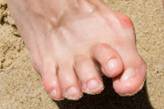
A bunion does not always stay a big toe problem. As the big toe joint drifts out of line, the toe leans toward its neighbors and crowds them. Some people notice the bump first and only spot the curled toe beside it months later. At that stage, bunion pain in Houston can turn into a big discussion regarding the second toe and hammertoe surgery in Houston. Knowing how the two conditions connect helps you act sooner and ask sharper questions at your next foot exam.
A 2010 review in the Journal of Foot and Ankle Research found bunions in about 23 percent of adults aged 18 to 65. That rate rose to nearly 36 percent after 65, and women had more than double the rate seen in men. So, if bunion pain in Houston shapes your daily routine, you are far from alone. Asking about hammertoe surgery in Houston is a fair question, not an overreaction.
How a Bunion Pushes the Second Toe Toward a Hammertoe
Here are why the two problems often show up together. With a bunion, the big toe shifts toward the smaller toes and crowds them, according to Mayo Clinic. Hospital for Special Surgery adds that this sideways lean can push the neighboring toe downward. Mayo Clinic lists hammertoe as a bunion complication that usually affects the toe right next to the big toe.
Early Signs a Bunion Is Affecting Your Other Toes
Has your second toe started to look different lately? Small changes often appear before a toe stay bent for good, so watch for:
- Corns or calluses where the first and second toes rub together
- A second toe that lifts, curls, or overlaps the big toe
- A corn on top of the bent toe joint where it presses into your shoe
Why a Flexible Hammertoe Can Become Rigid
At first, a hammertoe is usually flexible, and simple measures can correct it, says the American Academy of Orthopedic Surgeons (AAOS). Without treatment, the toe can become fixed and may need hammertoe surgery in Houston. Harvard Health Publishing explains that the tendons on top tighten over time, so the toe stays bent even with your shoes off.
This part surprises many people, perhaps because the change is slow enough that you barely notice it until a corn forms on the joint.
Nonsurgical Bunion and Hammertoe Care Usually Comes First
Hospital for Special Surgery says hammertoe care usually starts without surgery, and the same first steps often help a bunion too:
- Wider shoes with a deep, square or round toe box
- Padding over the bunion or corn to cut down on rubbing
- Orthotic shoe inserts that help control abnormal foot motion
- Physical therapy and toe exercises to keep the tendons flexible
- Anti-inflammatory medicine or a cortisone injection for painful flare-ups
The AAOS also says shoes have no real break-in period, so skip any pair that pinches in the store.
Next Steps Before Your Bunion and Hammertoe Exam
A little prep makes that visit more useful, so before you go, write down:
- Which shoes hurt and which feel fine
- When the second toe first started to change shape
- What you have already tried, from inserts to pain relievers
Then ask whether your hammertoe is flexible or rigid, and whether the bunion will likely keep pushing on it. Those two answers will shape nearly every choice that follows, from a new pair of shoes to a surgical plan.
