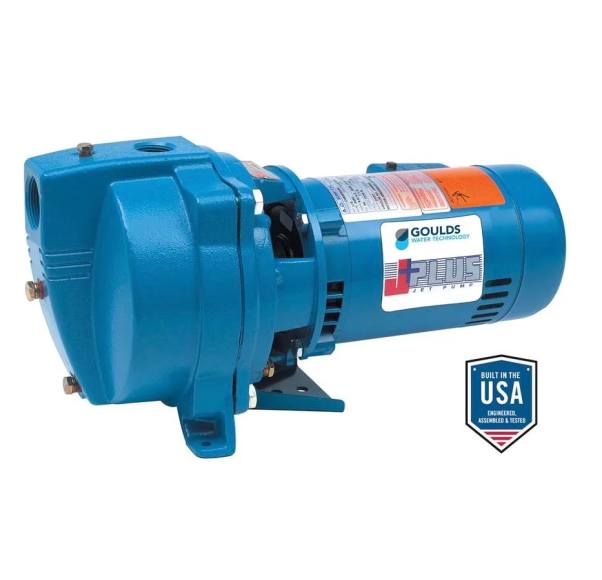
Plenty of rural homes in Northern Ontario draw from a dug well or a sand point. When the water sits close to the surface, a Gould shallow well pump can lift it and send it to every tap. Pick a pump that ignores how your well behaves, though, and the first busy morning shows it.
Jet Pumps Pull Water Up before They Push It Out
Suction Built into the Pump: The pump sits above ground, in a basement or pump house. An impeller forces water through a narrow nozzle, which creates suction and draws water up a single pipe. A Gould shallow well pump keeps the jet inside its housing, so a technician can service it without pulling anything out of the well.
Pressure Switch or Steady Flow: A standard setup uses a pressure tank and a switch that starts the pump at a low point and stops it at a high one. You feel that swing in the shower. Constant pressure systems add a controller that changes motor speed to match demand, so pressure stays level with several taps open.
Your Well Sets the Limits before the Pump Does
Recovery Rate Comes First: A shallow well can only supply water as fast as the ground refills it. Draw harder than that, and the pump starts pulling air, then loses prime. Most wells built under Ontario well regulations come with a well record listing a recommended pumping rate. Dig that record out before you buy anything.
Water Quality near the Surface: Shallow water sits closer to septic beds and fertilised fields. Nitrates from those sources don’t show up in taste or colour, and high levels in water used for infant formula can cause blue baby syndrome. A new pump won’t fix that. A lab test tells you whether treatment belongs in the plan too.
Right-Sized Pumps Keep the Morning Rush Moving
Sizing for Real Household Demand: Horsepower alone says little. What matters is how much water the pump delivers at the pressure your house runs on, and how many taps run together at peak times. If your fixtures show hard water deposits, plan some margin on top, because scale slowly narrows the jet nozzle and trims output over time.
Too Much Pump for the Tank: An oversized pump fills a small pressure tank and shuts off, then restarts moments later. That short cycling heats the motor and wears the switch contacts. Constant pressure systems avoid most of it, running the motor as fast as your taps need and no faster. A soft start helps the pump last longer.
What a Supplier Should Check:
- Depth to water, measured, not guessed.
- How many bathrooms share the supply?
- A well recorded or recent lab test.
- Long suction runs from well to pump cut lift.
- Any plans for an extra suite later.
Strong Showers and a Pump That Stays Primed
Bring your well record and a rough count of fixtures to a local pump supplier, and ask for a site visit before you order anything. A Gould shallow well pump chosen around your well’s real numbers can run quietly for years. Picture fewer mornings spent in the basement re-priming a pump with a jug of water.
